
Adrenal Gland Tests and why they matter
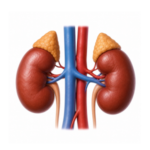
The adrenal glands are two small, triangular-shaped glands located on top of each kidney. They produce essential hormones that help regulate metabolism, blood pressure, immune function, stress response, electrolyte balance, and reproductive hormones. The adrenal glands release hormones such as cortisol, aldosterone, adrenaline (epinephrine), and dehydroepiandrosterone (DHEA), which are vital for maintaining overall health. Disorders of the adrenal glands can lead to symptoms such as fatigue, unexplained weight changes, high or low blood pressure, muscle weakness, mood changes, excessive sweating, and hormonal imbalances. Early detection and appropriate treatment can help prevent serious complications and improve quality of life.
When Are Adrenal Gland Tests Prescribed?
The adrenal glands produce essential hormones such as cortisol, aldosterone, adrenaline, and DHEA that regulate metabolism, blood pressure, stress response, electrolyte balance, and overall hormone function. Your doctor may recommend adrenal gland tests if you have symptoms or medical conditions that suggest your adrenal glands are not functioning properly.
Common reasons for adrenal gland testing include:
- Persistent fatigue or weakness
- Unexplained weight gain or weight loss
- High or difficult-to-control blood pressure
- Low blood pressure causing dizziness or fainting
- Muscle weakness or frequent cramps
- Darkening of the skin (hyperpigmentation)
- Excessive body or facial hair in women
- Irregular menstrual cycles or fertility concerns
- Low potassium or abnormal sodium levels
- Suspected adrenal tumors or hormone disorders
If you have a family history of endocrine disorders or symptoms suggestive of adrenal disease, your doctor may recommend testing sooner or repeat tests periodically to monitor hormone levels.
Why Are Adrenal Gland Tests Important?
Adrenal gland tests help your doctor evaluate whether your adrenal glands are producing the correct amount of hormones needed for normal body function. Since adrenal hormones affect nearly every organ system, even small imbalances can significantly impact your health.
Early diagnosis allows prompt treatment and helps prevent serious complications associated with untreated adrenal disorders.
Adrenal gland tests can help diagnose conditions such as:
- Addison’s disease (adrenal insufficiency)
- Cushing’s syndrome
- Primary hyperaldosteronism (Conn’s syndrome)
- Pheochromocytoma
- Congenital adrenal hyperplasia (CAH)
- Adrenal gland tumors
These tests also help monitor treatment effectiveness and assess hormone replacement therapy when needed.
How Is an Adrenal Gland Test Performed?
Most adrenal gland evaluations begin with a simple blood test. A healthcare professional draws a small blood sample from a vein in your arm to measure hormone levels such as cortisol, aldosterone, ACTH, and DHEA-S. The procedure usually takes less than five minutes and causes only mild discomfort.
Depending on your symptoms, your doctor may also recommend:
- 24-hour urine hormone tests to measure cortisol or catecholamine levels.
- Saliva cortisol tests, often collected late at night to evaluate cortisol production.
- ACTH stimulation test to assess how well your adrenal glands respond to stimulation.
- CT scan or MRI if an adrenal tumor or structural abnormality is suspected.
Your doctor will determine which test or combination of tests is most appropriate based on your medical history and symptoms.
How Long Do Adrenal Gland Test Results Take? Next Steps Explained
After completing your adrenal gland tests, most blood test results are available within 24–48 hours, while specialized hormone or urine tests may take several days.
Once your results are available:
- If your hormone levels are normal, your doctor may investigate other possible causes of your symptoms.
- If abnormalities are detected, additional hormone testing or imaging studies may be recommended.
- You may be referred to an endocrinologist for further evaluation and treatment if an adrenal disorder is suspected.
Based on your results, your doctor may recommend one or more of the following:
- No changes to your current treatment plan
- Hormone replacement therapy or medications
- Blood pressure management
- Dietary and lifestyle modifications
- Additional diagnostic tests or imaging
- Regular follow-up testing to monitor adrenal hormone levels
- Surgery if an adrenal tumor requires removal
Early detection and appropriate management of adrenal gland disorders can help restore hormone balance, improve symptoms, and prevent long-term complications.