
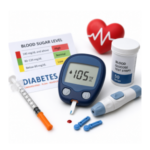
Diabetes Tests and why they matter
Diabetes is a chronic condition that affects how your body regulates blood sugar (glucose). High blood sugar levels can increase the risk of complications involving the heart, kidneys, eyes, nerves, and blood vessels if left untreated. Early diagnosis, regular diabetes screening, a healthy lifestyle, and timely treatment are essential for effective diabetes management and long-term health.
When Should You Get a Diabetes Test?
Diabetes tests are recommended to detect high blood sugar levels early, even before symptoms develop. Early diabetes screening helps identify prediabetes, Type 1 diabetes, and Type 2 diabetes, allowing timely treatment and reducing the risk of serious health complications.
The American Diabetes Association (ADA) recommends routine diabetes screening for:
- Adults aged 35 years and older: At least once every 3 years if results are normal.
- Adults of any age who are overweight or obese: If they have one or more risk factors such as high blood pressure, high cholesterol, a family history of diabetes, or physical inactivity.
- Women with a history of gestational diabetes: Every 1–3 years after pregnancy.
- People with prediabetes: At least once every year.
- Individuals with diabetes: As recommended by their healthcare provider, including regular HbA1c testing to monitor blood sugar control.
You may also need a diabetes test if you experience symptoms such as excessive thirst, frequent urination, unexplained weight loss, increased hunger, fatigue, blurred vision, slow-healing wounds, numbness in the hands or feet, or frequent infections.
Why Are Diabetes Tests Important?
Diabetes often develops gradually, and many people have no noticeable symptoms during its early stages. Regular diabetes screening helps detect abnormal blood sugar levels before complications arise.
Early diagnosis allows you to begin treatment sooner, helping reduce the risk of serious complications such as:
- Heart disease and stroke
- Kidney disease
- Nerve damage (Diabetic Neuropathy)
- Eye disease and vision loss (Diabetic Retinopathy)
- Poor wound healing
- Foot ulcers and infections
Routine diabetes tests also help doctors evaluate how well your current treatment plan is working and whether lifestyle changes or medications need adjustment.
Diabetes testing helps monitor important health indicators, including:
- Blood Glucose Levels
- HbA1c (Average Blood Sugar)
- Insulin Function
- Kidney Function
- Cholesterol Levels
- Blood Pressure
- Body Mass Index (BMI)
- Weight Management
Maintaining healthy blood sugar through a balanced diet, regular exercise, medication (if prescribed), and routine monitoring significantly lowers the risk of diabetes-related complications.
How Is a Diabetes Test Performed?
Most diabetes tests require a simple blood sample collected from a vein in your arm. A healthcare professional draws a small amount of blood using a sterile needle, and the procedure usually takes less than five minutes.
Depending on your symptoms and medical history, your doctor may recommend one or more of the following diabetes tests:
- Fasting Blood Sugar (FBS)
- Postprandial Blood Sugar (PPBS)
- Random Blood Sugar (RBS)
- HbA1c (Glycated Hemoglobin)
- Oral Glucose Tolerance Test (OGTT)
- Fasting Insulin Test
- C-Peptide Test
- Urine Microalbumin Test
- Comprehensive Diabetes Profile
Some tests, such as the Fasting Blood Sugar (FBS) and Oral Glucose Tolerance Test (OGTT), require fasting for 8–12 hours. Your healthcare provider will inform you if fasting is necessary before your test.
How Long Do Diabetes Test Results Take? Next Steps Explained
Most routine diabetes test reports are available within 24 hours after sample collection. Certain specialized diabetes tests may take slightly longer depending on the laboratory.
Once your results are available, your doctor will review them and explain what they mean.
If your blood sugar levels are within the normal range, your doctor may recommend continuing healthy lifestyle habits and routine diabetes screening.
If your results indicate prediabetes or diabetes, your healthcare provider may recommend:
- Lifestyle and dietary modifications
- Regular physical activity
- Weight management
- Blood sugar monitoring
- Diabetes medications or insulin therapy (if required)
- Additional laboratory tests
- Regular follow-up appointments to monitor blood sugar control and prevent complications
Early diagnosis and proper diabetes management can help you maintain healthy blood sugar levels and reduce the risk of long-term complications.
Who should get a diabetes test?
Adults aged 35 years and older, people who are overweight or obese, individuals with a family history of diabetes, women with previous gestational diabetes, and anyone experiencing symptoms of high blood sugar should undergo diabetes screening.
Which blood tests are used to diagnose diabetes?
Common diabetes tests include Fasting Blood Sugar (FBS), Postprandial Blood Sugar (PPBS), Random Blood Sugar (RBS), HbA1c, Oral Glucose Tolerance Test (OGTT), Fasting Insulin, C-Peptide, and a Comprehensive Diabetes Profile.
Do I need to fast before a diabetes test?
Yes. Some diabetes tests, including FBS and OGTT, require fasting for 8–12 hours. Tests such as HbA1c and Random Blood Sugar (RBS) do not require fasting.
Can diabetes be detected early?
Yes. Routine diabetes screening can detect prediabetes and diabetes before symptoms become severe, allowing early treatment and reducing the risk of complications.
How often should I get tested for diabetes?
Healthy adults should be screened every 3 years starting at age 35. People with prediabetes should be tested annually, while those with diabetes should follow the testing schedule recommended by their healthcare provider.