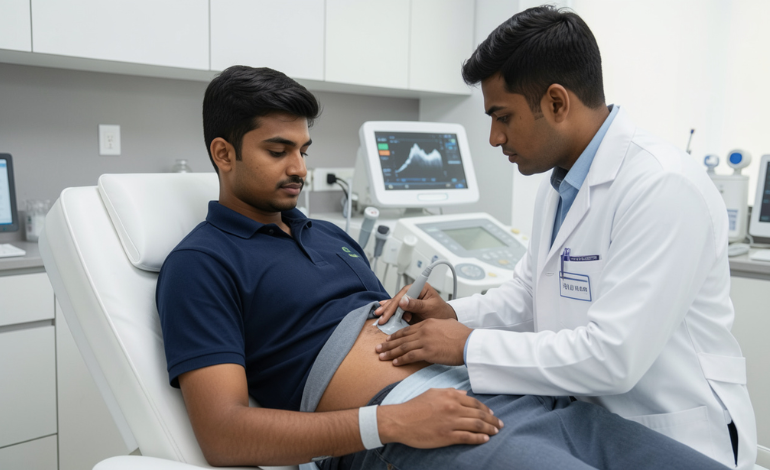

Why Young Indians Are Getting Fatty Liver And Why It Matters Fatty liver was once considered a middle-age problem. Not anymore. Union Minister Dr Jitendra Singh recently flagged it as part of a growing “metabolic crisis” among India’s youth — and doctors across the country are seeing the same pattern in people barely in their 20s. Here’s what it means for you. What’s Making News Speaking at the third anniversary of the Liver & Metabolic Disease Network (InFLiMeN) at Delhi’s Institute of Liver and Biliary Sciences, Union Minister Jitendra Singh said India’s rising liver disease burden and sharp increase in Type-2 diabetes are part of a larger metabolic crisis, with conditions like fatty liver, high blood pressure, abnormal cholesterol, and insulin resistance now closely linked and increasingly common in younger people. He noted that metabolic disorders once associated mainly with middle-aged and elderly populations are now showing up in young adults even adolescents calling for a national, prevention-focused response (DD India, July 4, 2026). This lines up with what liver specialists have been observing directly. A recent study by a senior liver surgeon at a major Gurugram hospital found that nearly half of potential liver donors aged 20 to 40 already had fatty liver, many without knowing it, despite looking outwardly healthy. What Fatty Liver Actually Is! And Why It’s Sneaky Fatty liver, or Non-Alcoholic Fatty Liver Disease (NAFLD), happens when excess fat builds up in liver cells often with no connection to alcohol at all. The bigger concern is that it’s largely silent. Most people feel completely fine in the early stages, which is exactly why it tends to be missed until it’s more advanced. Common contributing factors include: Sedentary routines long hours sitting at desks or screens Diets high in fried food, refined carbs, and sugary drinks Irregular eating patterns, like skipping meals and late-night binging Poor sleep and chronic stress Excess weight, especially abdominal fat Underlying insulin resistance, even in people with a “normal” BMI Some early clues, when they do appear, include fatigue, mild discomfort in the upper right abdomen, or the condition simply turning up as an unexpected finding during a routine health check-up or ultrasound. Why Catching It Early Changes the Outcome The encouraging part: in its early stages, fatty liver is often reversible with consistent lifestyle changes better diet, regular activity, improved sleep, and weight management. Left unchecked, though, it can progress silently toward liver inflammation, fibrosis, and more serious long-term complications, and it’s also closely tied to future risk of Type-2 diabetes and heart disease. The only way to know where you stand is to actually test for it you can’t feel your liver enzymes or your insulin resistance from the outside. Tests Available at Jalaram Laboratory Jalaram Laboratory & Diagnostic Centre offers a complete set of tests to screen for fatty liver and the metabolic factors linked to it: Liver Function Test (LFT) – checks liver enzymes (SGOT, SGPT), bilirubin, and protein levels Lipid Profile – measures cholesterol and triglycerides, key metabolic risk markers Fasting Blood Sugar / HbA1c – screens for insulin resistance and diabetes risk Ultrasound Abdomen (Liver) – visually detects fat accumulation and liver changes Metabolic Health / Full Body Health Package – a combined panel covering liver, sugar, and lipid markers in one visit All available with home sample collection, so a full liver and metabolic check-up is just a phone call away. Simple Steps to Protect Your Liver Cut back on fried snacks, sugary drinks, and packaged juices Build in 30 minutes of daily movement walking counts Aim for consistent, adequate sleep (7+ hours) Watch your waistline, not just your weight Eat regular meals; avoid long gaps followed by overeating Get a routine liver and metabolic check-up, especially if you’re overweight, inactive, or have a family history of diabetes Book Your Liver & Metabolic Check-Up Today Fatty liver rarely announces itself the only reliable way to know is to get tested, regardless of your age or how healthy you feel. Jalaram Laboratory & Diagnostic Centre, Bardoli, offers LFT, lipid profile, blood sugar, and full-body health packages with accurate reporting and convenient home sample collection. Book your test today and take a proactive step toward long-term liver health. This article is for general awareness only and is not a substitute for medical diagnosis. Please consult a doctor for evaluation and treatment. Source: DD India, “India’s liver disease burden, diabetes surge part of larger metabolic crisis: Jitendra Singh,” July 4, 2026; Medanta Liver Institute donor study findings, reported June 2026.
Monsoon Fever Season in Gujarat: Why Getting Tested Early Matters Gujarat’s Health Department has just reported a record 94 lakh malaria tests and tens of thousands of dengue and chikungunya screenings conducted so far this year as part of its monsoon surveillance drive. With mosquito-borne fevers on the rise across the state, here’s what residents of Bardoli and South Gujarat need to know. What’s Happening Right Now Under the National Vector Borne Disease Control Programme, Gujarat’s Health Department — led by Health Minister Praful Pansheriya — has intensified its fight against monsoon fevers. Over 19,500 health teams have gone door-to-door covering more than 6.51 crore people, while special diagnostic centres set up at 42 medical college hospitals have tested over 65,000 samples for dengue and nearly 10,000 for chikungunya so far this year. The state has also collected a record 94 lakh blood samples for malaria detection, with all confirmed cases receiving free treatment (Prokerala News, reporting on Gujarat government data, July 2026). This isn’t a cause for alarm — it’s a sign that health authorities are actively watching for these seasonal illnesses. But it’s also a good reminder that dengue, malaria, and chikungunya are very much active in Gujarat right now, and monsoon conditions (stagnant water, humidity, and warm temperatures) create ideal breeding grounds for the mosquitoes that spread them. Symptoms and Risk Factors to Watch For Dengue, malaria, and chikungunya can look similar in their early stages, which is exactly why lab confirmation matters instead of guesswork. Common warning signs include: High fever, often sudden in onset Severe joint or muscle pain (a hallmark of chikungunya) Headache, pain behind the eyes (typical of dengue) Chills, sweating, and fatigue (common with malaria) Skin rash or low platelet count (seen in some dengue cases) Nausea or vomiting People at higher risk include children, the elderly, pregnant women, those with existing health conditions, and anyone living or working in areas with standing water — coolers, tanks, construction sites, or waterlogged streets, all common during Gujarat’s monsoon. Why Early Detection Makes a Real Difference Dengue, malaria, and chikungunya are treatable when caught early, but they can escalate quickly if ignored. Dengue in particular can progress to more serious complications involving bleeding or organ stress if not monitored closely. Because symptoms overlap so much between these illnesses and with common viral fever and typhoid a proper blood test is the only reliable way to know what you’re actually dealing with. Early diagnosis means faster treatment, better rest and hydration planning, and timely medical attention if complications develop. Tests Available at Jalaram Laboratory Jalaram Laboratory & Diagnostic Centre offers a full range of tests to help identify and monitor monsoon fevers, including: Dengue NS1 Antigen, IgM/IgG Antibody Test – for early and confirmatory dengue detection Malaria Parasite (MP) Test / Rapid Malaria Antigen Test – to detect malaria parasites in blood Chikungunya IgM Antibody Test Widal Test – to screen for typhoid, common in the same monsoon window Complete Blood Count (CBC) with Platelet Count – to track platelet levels and overall response to infection Fever Panel / Monsoon Health Package – a combined screening for the most common seasonal infections in one visit All of these are available with home sample collection, so you don’t need to step out while unwell. Simple Prevention Tips for the Season Empty and clean coolers, flower pots, and stored water containers at least once a week Keep water tanks and containers covered at all times Use mosquito repellents and nets, especially during dawn and dusk Wear full-sleeved clothing when outdoors near waterlogged areas Don’t self-medicate for fever lasting more than a day or two — get tested instead Stay hydrated and rest if you develop any fever-like symptoms Book Your Test With Jalaram Laboratory If you or a family member has fever, body ache, or any symptoms this monsoon, don’t wait it out — a simple blood test can give you clarity within hours. Jalaram Laboratory & Diagnostic Centre, Bardoli, offers dengue, malaria, chikungunya, and complete fever panels with accurate results and the convenience of home sample collection. Call us or visit today to book your test and stay a step ahead this monsoon season. This article is for general awareness only and is not a substitute for medical diagnosis. Please consult a doctor for symptoms and treatment. Source: Gujarat monsoon vector-borne disease surveillance data, reported by Prokerala News, July 2026 (via Gujarat state government release).
“I Feel Fine” Is Not the Same as “I’m Healthy” Around Doctors’ Day this year, several doctors across India flagged the same worrying pattern in their clinics: patients assuming that feeling fine means nothing is wrong. In reality, some of the most common conditions in India — high blood pressure, diabetes, thyroid disorders, even early-stage cancers — can quietly progress for years without a single obvious symptom. By the time symptoms do show up, the condition is often more advanced and harder to manage. Why “No Symptoms” Can Be Misleading Our bodies are surprisingly good at compensating for problems in their early stages. Blood pressure can creep up gradually without headaches or dizziness. Blood sugar can stay elevated for months before thirst or fatigue becomes noticeable. Thyroid imbalances can alter energy, weight, and mood so slowly that people simply adjust to feeling “a little off,” rather than raising an alarm. According to health experts writing around Doctors’ Day 2026, this is one of the most common and dangerous health myths — that a lack of symptoms means everything is fine (The Week, June 2026). Conditions That Often Hide in Plain Sight Hypertension (High Blood Pressure) – frequently called a “silent” condition because it rarely causes noticeable symptoms until it affects the heart, kidneys, or eyes Type 2 Diabetes – can exist for years with only mild, easy-to-dismiss symptoms like tiredness or frequent urination Thyroid Disorders – both an underactive and overactive thyroid can be mistaken for stress, weight changes, or simply “getting older” Cholesterol Imbalances – have no physical symptoms at all and are usually only caught through a blood test Early-Stage Anaemia – often shows up as general fatigue that people brush off as being busy or tired Tests & Packages Available at Jalaram Laboratory Jalaram Laboratory & Diagnostic Centre offers a range of preventive screening options designed exactly for this purpose: Full Body Health Checkup Packages – covering blood sugar, lipid profile, kidney and liver function, and more in one visit Blood Pressure & Cardiac Risk Panel – includes lipid profile and related cardiac markers HbA1c & Fasting/PP Blood Sugar Tests – to track blood sugar trends, not just a single reading Thyroid Profile (T3, T4, TSH) – to check for both underactive and overactive thyroid function CBC & Iron Studies – to catch anaemia and related deficiencies early All of these are available with home sample collection, so a full preventive checkup doesn’t have to mean taking time off or sitting in a waiting room. A Few Simple Habits That Help Get a basic health screening at least once a year, even if you feel completely fine Know your family history — many silent conditions like diabetes and hypertension run in families Don’t wait for a symptom to “confirm” something is wrong before getting tested Keep your old reports handy so your doctor can track trends over time, not just single results Book Your Preventive Checkup Today Feeling healthy is a good sign — but it isn’t a diagnosis. If it’s been a while since your last full body checkup, there’s no better time than now. Jalaram Laboratory & Diagnostic Centre in Bardoli offers comprehensive health packages with easy home sample collection, so you can know what’s really going on inside, not just how you feel on the outside. Book your checkup today. Source referenced: “Doctors’ Day 2026: Debunking five common myths harming your health,” The Week (published June 30, 2026). This article is for general awareness only and does not constitute medical diagnosis — please consult a physician for personalised advice.
Every year as the rains set in across Gujarat, hospitals and labs see a sharp rise in fever cases. This July, health reporters have already flagged renewed vector-borne activity in the state, and civic health data from other Indian cities shows the same pattern repeating right on schedule. The good news? Most monsoon fevers are very manageable — if they’re identified early with the right blood test. Why This Matters Right Now Monsoon creates the perfect breeding ground for mosquitoes and contaminated water — the two biggest carriers of seasonal illness in India. Municipal health data from Delhi published in late June 2026 noted that dengue, malaria, and chikungunya numbers typically climb through July, August, and September, with July being when transmission really starts building. Gujarat sees a similar seasonal curve, and local health experts have also urged extra caution around unusual monsoon-linked infections affecting children this year, in a report published in the first half of July 2026 (Vibes of India, July 2026). None of this is cause for panic — it’s simply a reminder that “just a viral fever” deserves a closer look during these months. The Fevers to Know Dengue – spread by the Aedes mosquito, which breeds in clean standing water (coolers, flower pots, tanks). Symptoms: high fever, severe body/joint pain, headache behind the eyes, and sometimes a skin rash. Chikungunya – also Aedes-borne, causing high fever with intense, often prolonged joint pain and swelling. Malaria – spread by the Anopheles mosquito, typically causing fever with chills, sweating cycles, and fatigue. Typhoid – spread through contaminated food or water, common during monsoon flooding, causing sustained fever, weakness, and abdominal discomfort. Because these illnesses often start with the same generic symptoms — fever, fatigue, body ache — it’s genuinely hard to tell them apart without a lab test. Why Early Detection Matters Self-medicating a “normal fever” for 4–5 days before getting tested is one of the most common reasons monsoon illnesses become complicated. Dengue, for instance, can affect platelet counts, and typhoid can worsen if antibiotics are delayed or misused. Getting tested within the first couple of days of fever gives your doctor accurate information to treat you appropriately — rather than guessing — and helps you avoid unnecessary complications or hospitalisation. Tests Available at Jalaram Laboratory Jalaram Laboratory & Diagnostic Centre offers a complete monsoon fever workup, including: CBC (Complete Blood Count) – tracks platelet levels, white blood cells, and overall infection response Dengue NS1 Antigen & Dengue IgM/IgG – for early and confirmatory dengue detection Malaria Parasite (MP) Smear / Rapid Antigen Test – for quick malaria diagnosis Typhidot / Widal Test – for typhoid detection Chikungunya IgM Antibody Test – to confirm chikungunya infection All of these can be booked individually or as part of a combined fever profile, with results explained in simple terms — and home sample collection is available if you’d rather not step out while unwell. Prevention Tips for the Season Empty and cover water storage containers, coolers, and flower pots weekly Use mosquito nets or repellents, especially at dawn and dusk Drink boiled or filtered water, and avoid street food during heavy rain spells Don’t wait out a fever — track it, stay hydrated, and see a doctor if it crosses 2 days Book Your Test Today If you or a family member has had fever for more than a day or two this monsoon, don’t guess — get tested. Jalaram Laboratory & Diagnostic Centre in Bardoli offers fast, reliable fever panel testing with the option of home sample collection, so you can get answers without leaving your house. Call us or book online today to take the guesswork out of this monsoon season. Sources referenced: Municipal Corporation of Delhi vector-borne disease data via The Week (published late June 2026); Vibes of India, monsoon vector-borne disease report (published July 2026). This article is for general awareness only and does not constitute medical diagnosis — please consult a physician for symptom-specific advice.