
Blog Details
-
Jalaram Laboratory & Diagnostic Centre > Blog > Uncategorized > Monsoon Fevers in Gujarat: Get Tested Early | Jalaram Lab
17Jul
Monsoon Fevers in Gujarat: Get Tested Early | Jalaram Lab
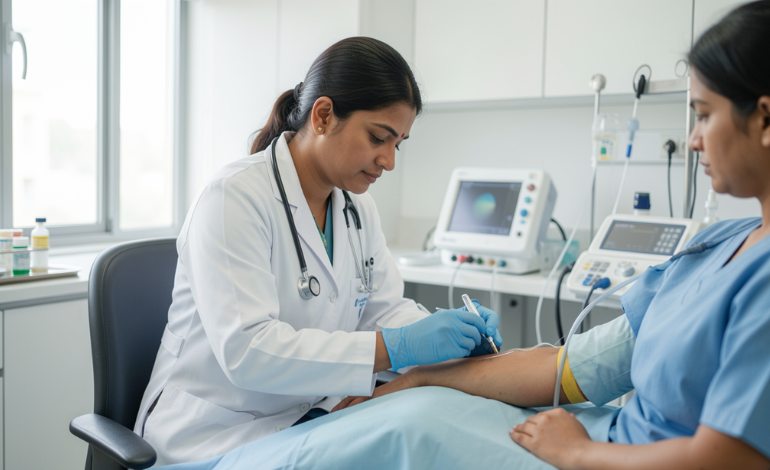
Monsoon Fever Season in Gujarat: Why Getting Tested Early Matters
Gujarat’s Health Department has just reported a record 94 lakh malaria tests and tens of thousands of dengue and chikungunya screenings conducted so far this year as part of its monsoon surveillance drive. With mosquito-borne fevers on the rise across the state, here’s what residents of Bardoli and South Gujarat need to know.
What’s Happening Right Now
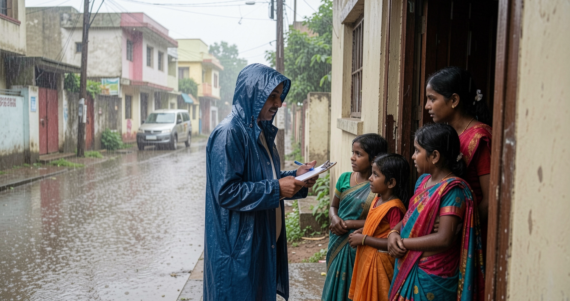
Under the National Vector Borne Disease Control Programme, Gujarat’s Health Department — led by Health Minister Praful Pansheriya — has intensified its fight against monsoon fevers. Over 19,500 health teams have gone door-to-door covering more than 6.51 crore people, while special diagnostic centres set up at 42 medical college hospitals have tested over 65,000 samples for dengue and nearly 10,000 for chikungunya so far this year. The state has also collected a record 94 lakh blood samples for malaria detection, with all confirmed cases receiving free treatment (Prokerala News, reporting on Gujarat government data, July 2026).
This isn’t a cause for alarm — it’s a sign that health authorities are actively watching for these seasonal illnesses. But it’s also a good reminder that dengue, malaria, and chikungunya are very much active in Gujarat right now, and monsoon conditions (stagnant water, humidity, and warm temperatures) create ideal breeding grounds for the mosquitoes that spread them.
Symptoms and Risk Factors to Watch For
Dengue, malaria, and chikungunya can look similar in their early stages, which is exactly why lab confirmation matters instead of guesswork. Common warning signs include:
- High fever, often sudden in onset
- Severe joint or muscle pain (a hallmark of chikungunya)
- Headache, pain behind the eyes (typical of dengue)
- Chills, sweating, and fatigue (common with malaria)
- Skin rash or low platelet count (seen in some dengue cases)
- Nausea or vomiting
People at higher risk include children, the elderly, pregnant women, those with existing health conditions, and anyone living or working in areas with standing water — coolers, tanks, construction sites, or waterlogged streets, all common during Gujarat’s monsoon.
Why Early Detection Makes a Real Difference
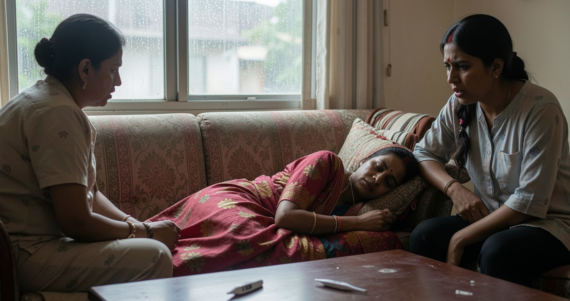
Dengue, malaria, and chikungunya are treatable when caught early, but they can escalate quickly if ignored. Dengue in particular can progress to more serious complications involving bleeding or organ stress if not monitored closely. Because symptoms overlap so much between these illnesses and with common viral fever and typhoid a proper blood test is the only reliable way to know what you’re actually dealing with. Early diagnosis means faster treatment, better rest and hydration planning, and timely medical attention if complications develop.
Tests Available at Jalaram Laboratory
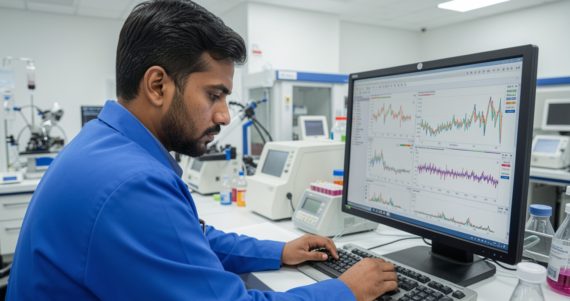
Jalaram Laboratory & Diagnostic Centre offers a full range of tests to help identify and monitor monsoon fevers, including:
- Dengue NS1 Antigen, IgM/IgG Antibody Test – for early and confirmatory dengue detection
- Malaria Parasite (MP) Test / Rapid Malaria Antigen Test – to detect malaria parasites in blood
- Chikungunya IgM Antibody Test
- Widal Test – to screen for typhoid, common in the same monsoon window
- Complete Blood Count (CBC) with Platelet Count – to track platelet levels and overall response to infection
- Fever Panel / Monsoon Health Package – a combined screening for the most common seasonal infections in one visit
All of these are available with home sample collection, so you don’t need to step out while unwell.
Simple Prevention Tips for the Season
- Empty and clean coolers, flower pots, and stored water containers at least once a week
- Keep water tanks and containers covered at all times
- Use mosquito repellents and nets, especially during dawn and dusk
- Wear full-sleeved clothing when outdoors near waterlogged areas
- Don’t self-medicate for fever lasting more than a day or two — get tested instead
- Stay hydrated and rest if you develop any fever-like symptoms
Book Your Test With Jalaram Laboratory
If you or a family member has fever, body ache, or any symptoms this monsoon, don’t wait it out — a simple blood test can give you clarity within hours. Jalaram Laboratory & Diagnostic Centre, Bardoli, offers dengue, malaria, chikungunya, and complete fever panels with accurate results and the convenience of home sample collection. Call us or visit today to book your test and stay a step ahead this monsoon season.
This article is for general awareness only and is not a substitute for medical diagnosis. Please consult a doctor for symptoms and treatment.
Source: Gujarat monsoon vector-borne disease surveillance data, reported by Prokerala News, July 2026 (via Gujarat state government release).
Recent Posts
- Normal Cholesterol but High Heart Risk? Advanced Heart Risk Tests Explained
- CT, X-Ray or Ultrasound? A Simple Guide to Choosing the Right Scan
- Blood Tests in Bardoli: Common Tests, Their Uses and What You Should Know
- Complete Health Checkup in Bardoli: A Practical Guide to Comprehensive Health Testing
- Health Checkup for Men: Important Tests You Should Know About