
28Sep
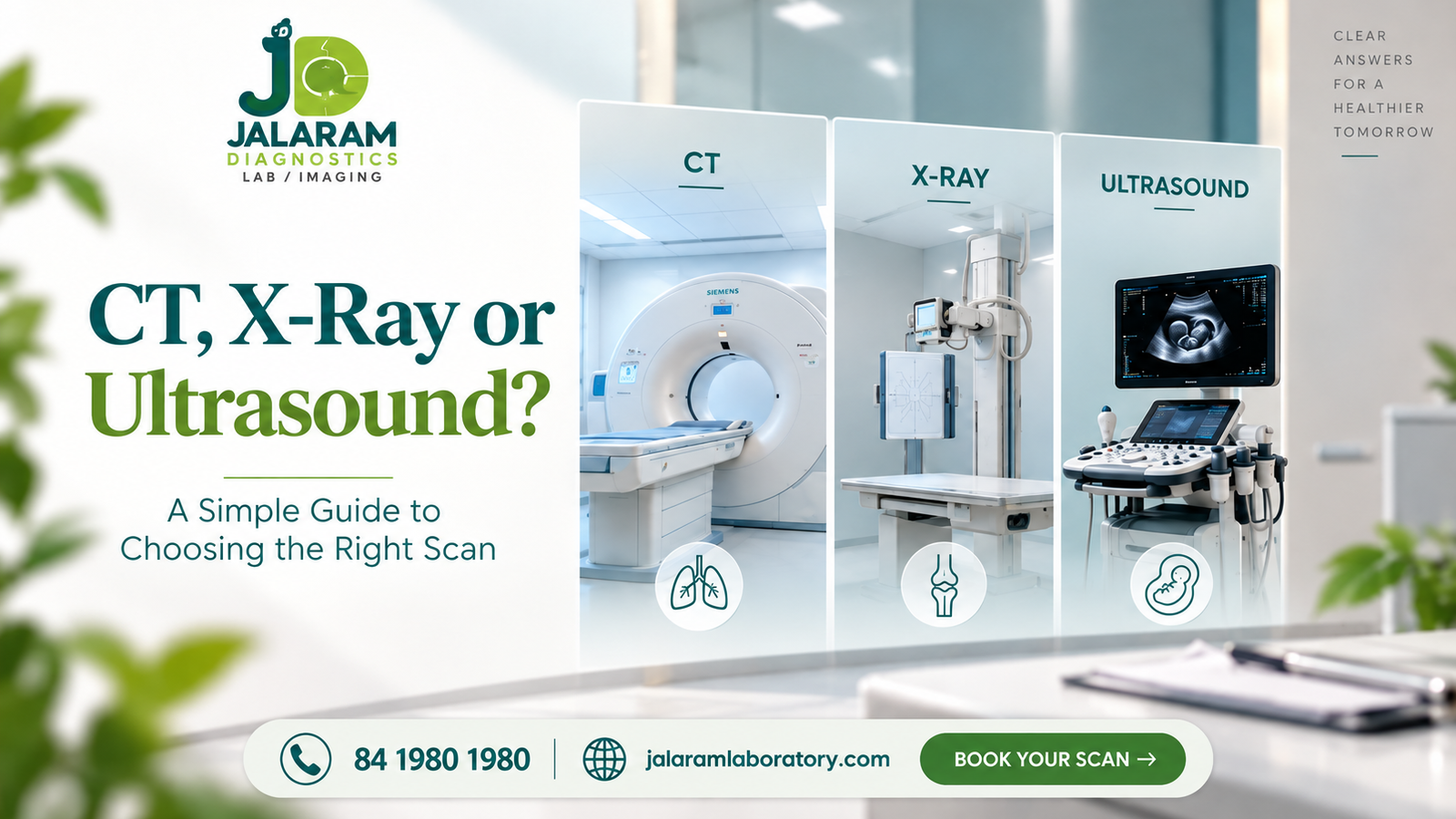
CT, X-Ray or Ultrasound? A Simple Guide to Choosing the Right Scan
When a doctor recommends an imaging test, it is natural to wonder why a particular scan has been advised and what it can show. CT scans, X-rays and ultrasounds are all commonly used to create images of structures inside the body, but each uses a different technology and serves different diagnostic purposes.

24Sep
Blood Tests in Bardoli: Common Tests, Their Uses and What You Should Know
Blood tests are one of the most commonly used diagnostic tools for understanding different aspects of health. A simple blood sample can provide information about blood cells, blood sugar, cholesterol, kidney and liver function, thyroid-related markers, vitamin levels and several other health parameters.

16Sep
Health Checkup for Men: Important Tests You Should Know About
For men in their 20s and 30s, a health checkup can establish healthy baseline values. It can also help identify potential risk factors. Even when you feel healthy, routine assessments can help track important health parameters over time.
27Aug
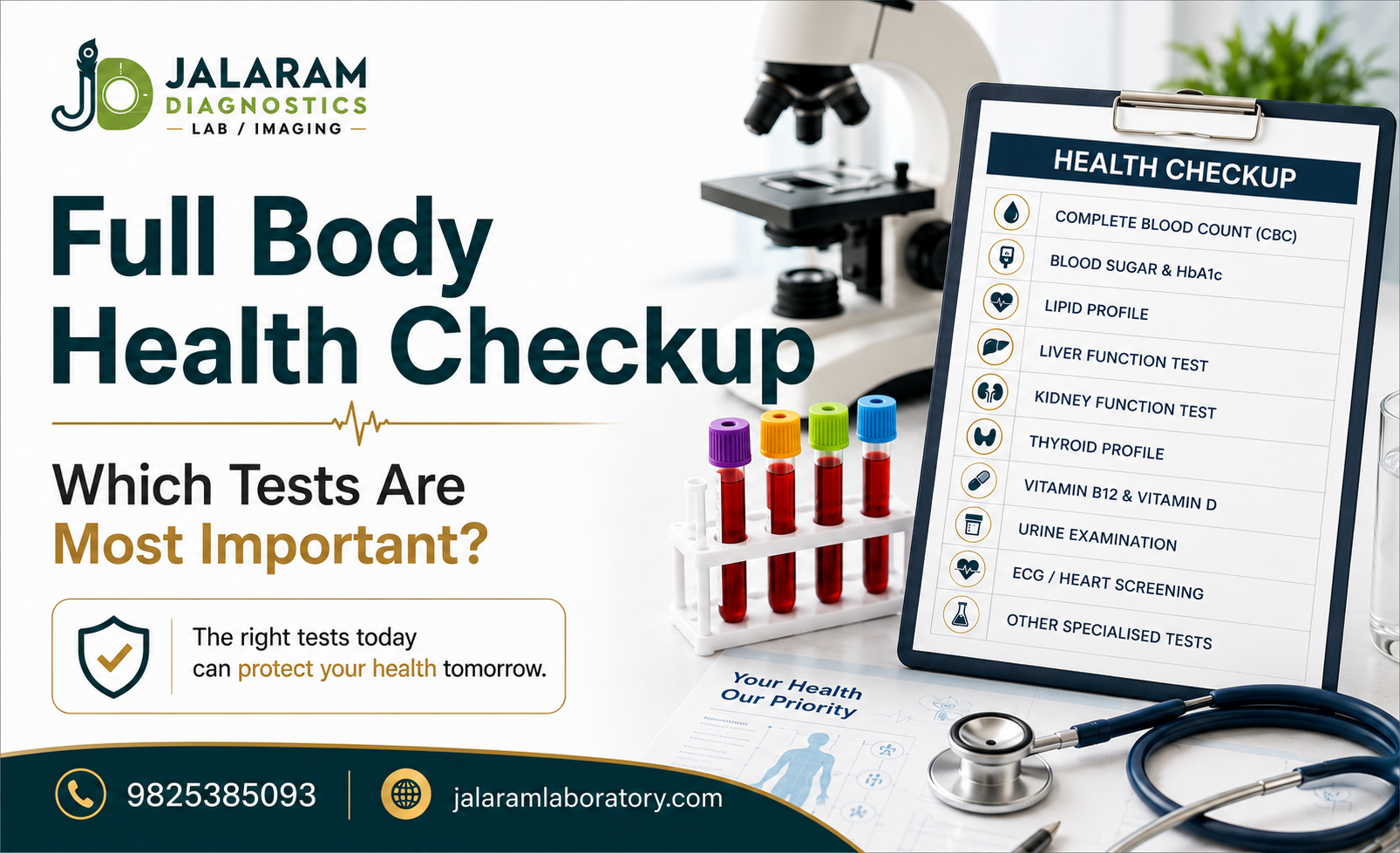
Full Body Health Checkup: Which Tests Are Most Important?
If you are planning a full body health checkup, you may wonder which tests are actually important. A good health checkup is not simply about doing as many tests as possible. The right tests should provide useful information about major areas such as blood sugar, cholesterol, liver, kidneys, blood cells and thyroid function.
26Aug
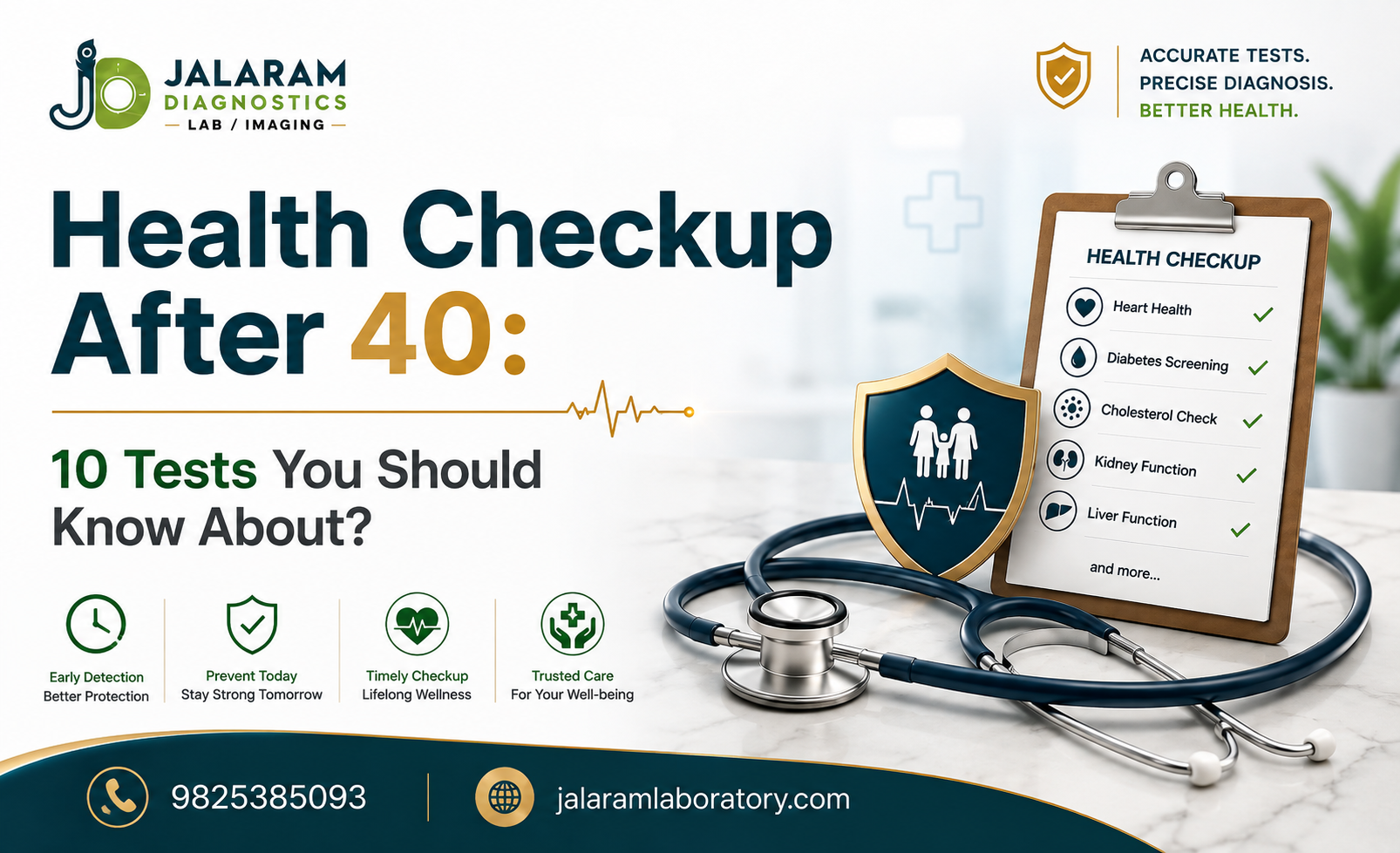
Health Checkup After 40: 10 Important Tests and Screenings
Turning 40 is an important time to become more proactive about your health. Some conditions, such as high blood pressure, diabetes and high cholesterol, can develop without noticeable symptoms. Regular health screening can help identify potential risk factors early and help you and your healthcare professional decide which tests may be appropriate.
25Aug
How Often Should You Get a Full Body Health Checkup?
A full body health checkup can help you understand important aspects of your health, even when you feel completely well. But how often should you get a full body health checkup? There is no single schedule that works for everyone. Your age, family history, lifestyle, existing health conditions, and previous test results can all influence how frequently you may need health screening.